
1. Understand the Site
Every successful remediation starts with getting the science right.
We begin with a detailed site evaluation and , if needed, a refinement of the Conceptual Site Model (CSM), building a clear picture of what’s happening below the surface.
- Analyze hydrogeology, plume geometry, and contaminant distribution
- Close critical data gaps before active remediation begins using the RDC process
- Visualize the RDC and CSM data in 3-D using ESM Software
When needed, we work with your team to strengthen the dataset and improve the accuracy of the site model.
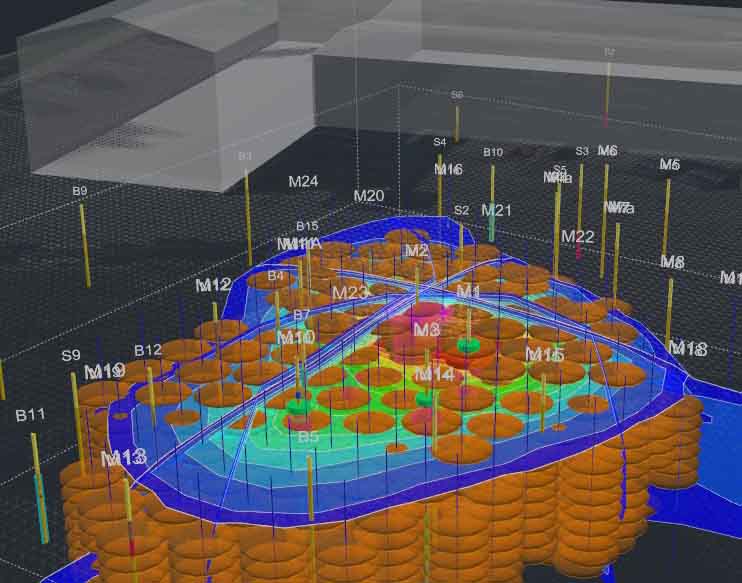
Result: A remediation strategy focused on total mass—not just short-term symptom reduction.
2. Apply the Right Treatment
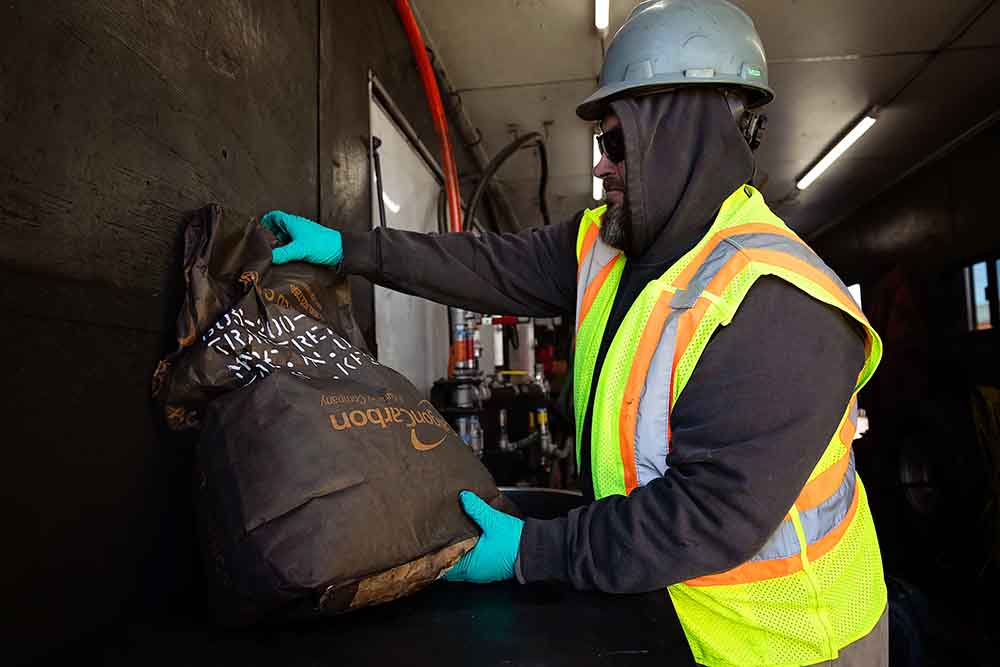
No two sites are the same. We tailor both the chemistry and the delivery method to match site conditions.
Our team deploys a targeted combination of proven remediation technologies, such as:
- Activated carbon-based platforms (including Trap & Treat®)
- In situ chemical oxidation (ISCO) and reduction (ISCR)
- Bioremediation
- Sequestration (for PFAS)
- Stabilization (for heavy metals)
These are delivered using injection techniques designed to maximize subsurface distribution and effectiveness.
Result: Efficient, controlled treatment that adapts in real time for maximum effectiveness.
3. Prove Long-Term Results
Most firms stop after installation. We don’t.
We stay engaged to verify that remediation is actually working—and continues to work over time.
- Track contaminant reduction through to completion
- Monitor geochemical and hydrogeological changes
- Confirm mass flux is controlled and stable for PRBs and PABs
This closed-loop process gives clients confidence in both the outcome and the data behind it.
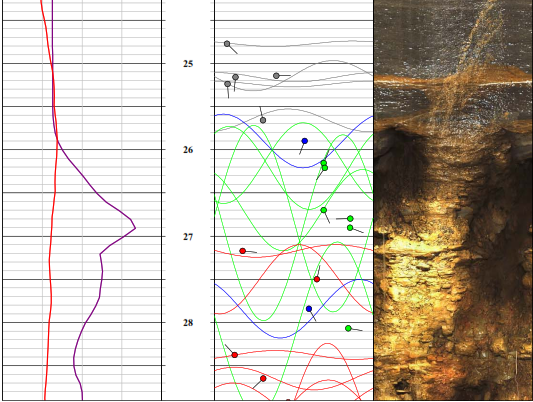
Result: Measurable, defensible results—and eligibility for performance-based contracting.
Why It Works
Our process is built on science, refined in the field, and proven across real-world sites.
- Data-driven decisions from day one
- Precision application in complex subsurface environments
- Ongoing validation—not assumptions
That’s how we consistently outperform traditional remediation approaches.